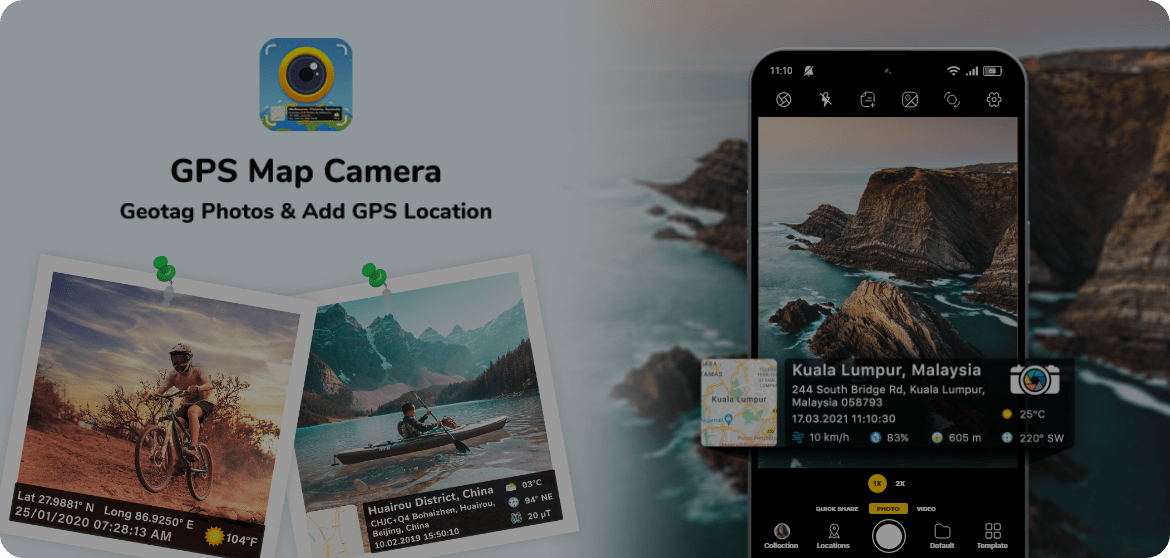
Add a text label to your work photo instantly with the GPS Map Camera.

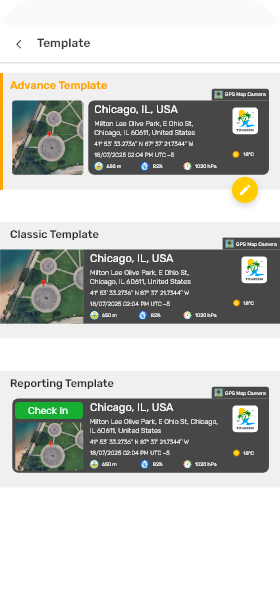
Auto-stamp your photos & videos with accurate location, date, time, map, logo, and more. Perfect for professionals, travelers, & field teams.
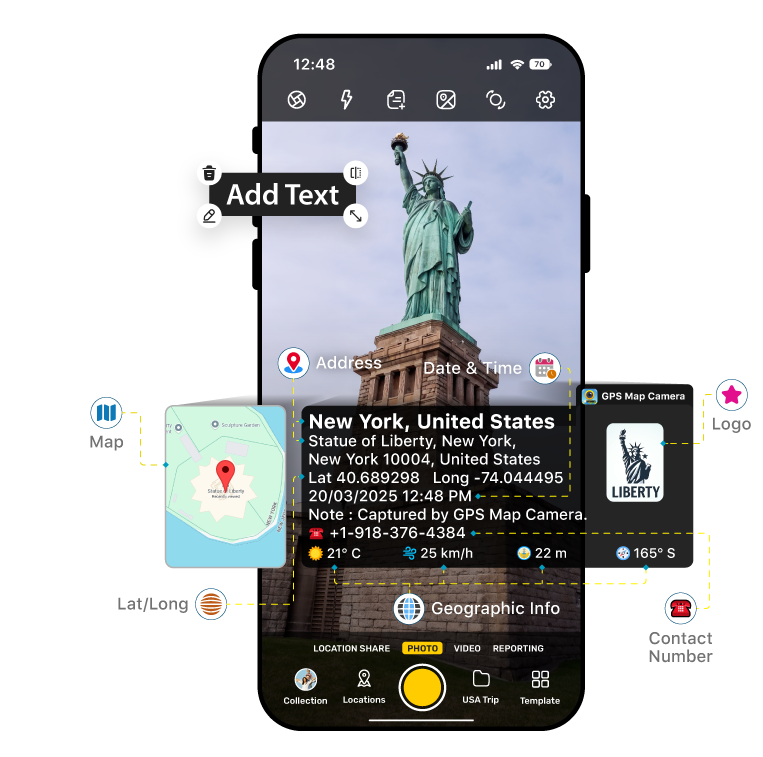
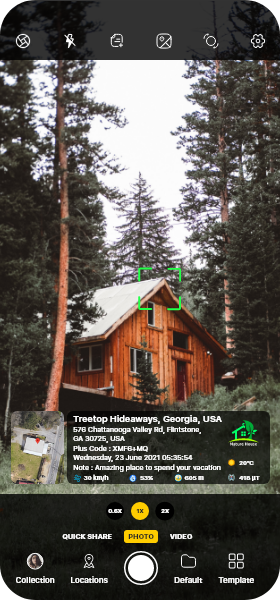
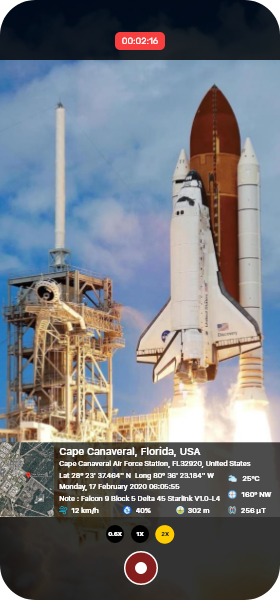
Capture photos with real GPS coordinates & map overlay
Date & time stamps that can’t be edited
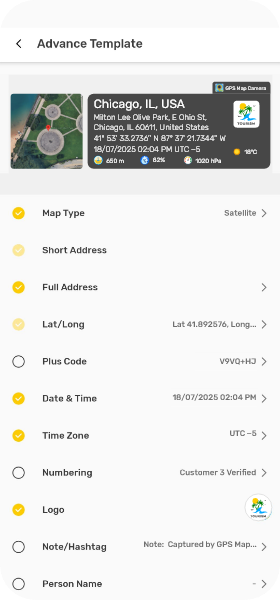
Add project name, notes, phone number & your brand logo
Choose automatic or manual location input for flexibility
Used by millions of real estate, construction & contractor, and remote professionals
In the Vendrell dub, characters don’t just say they are in pain; they roar with distinct, memorized phrases like “¡¿Pero qué es lo que está pasando?!” (What is happening?!) or “¡Eso no es nada!” (That’s nothing!). These lines became memes and catchphrases because they felt alive . The scriptwriters understood that Latin American Spanish is rhythmic and dramatic; they wrote for the ear, not the dictionary. Releasing all 291 episodes of Dragon Ball Z (from the Saiyan Saga’s arrival of Raditz to the end of the Kid Buu fight) was a logistical miracle. During the 1990s and early 2000s, anime distribution in Latin America was fragmented. Vendrell En Español acted as both a distributor and a quality gatekeeper. Unlike some regional releases that suffered from missing episodes, audio drift, or recasting midway, Vendrell’s complete box set (and subsequent TV broadcast masters) maintained a uniform audio mix.
For millions, the Vendrell Latino dub is Dragon Ball Z . It remains the gold standard against which all future anime dubs in Spanish are measured, and its 291 episodes continue to echo through every Super Saiyan transformation heard on YouTube, every meme, and every father teaching his child to scream “¡Onda Vital!” with their whole chest.
The Vendrell dub also democratized anime. Because the language was neutral yet passionate (avoiding excessive Mexican slang or European vosotros forms), it was understood from the Rio Grande to Patagonia. It became the lingua franca of Latino otaku culture. The Vendrell release of Dragon Ball Z Episodes 1–291 is not without minor flaws—some early episodes have slight audio compression, and a few secondary characters’ voices changed between sagas. However, these are negligible compared to the monumental achievement. This dub proved that localization is an art form, not a compromise. It took a Japanese story about aliens screaming and punching each other and transformed it into a heartfelt epic about sacrifice, fatherhood, and redemption—all in a voice that felt like home.
Vendrell’s production understood a critical truth: a voice actor must live with the character for 291 episodes. The consistency of this cast—rarely changing over the decade-long production—allowed for organic character development. When Vegeta’s voice cracks during his final atonement against Majin Buu, or when Goku says goodbye to Gohan after Cell’s explosion, the audience feels decades of accumulated history. Vendrell’s script adaptation is often misunderstood by purists. It is not a literal translation of the Japanese dialogue, nor is it a censored American rewrite. Instead, it is a functional adaptation that prioritizes lip-sync, emotional timing, and colloquial naturalness. The most famous example is the decision to keep the name Piccolo instead of the original Piccolo Daimaō’s son , but the deeper genius lies in the gritos —the battle screams.
In the vast universe of anime localization, few phenomena rival the cultural impact of the Latin American Spanish dub of Dragon Ball Z . While the original Japanese version and the English Funimation dub have their respective merits, the Latino version—specifically the 291-episode complete run distributed by Vendrell En Español —holds a sacred, untouchable status. More than a mere translation, this release represents a masterclass in cultural adaptation, vocal consistency, and raw emotional resonance that defined the childhood of millions across Central and South America. The Architects of Sound: The Cast of “Los Del Espacio” The core strength of the Vendrell release lies not just in the translation, but in the casting. Mario Castañeda’s Goku is not merely a heroic figure; his voice embodies a childlike purity fused with otherworldly power. Unlike the hyper-masculine grunts of other dubs, Castañeda’s Goku carries a warmth that makes his Super Saiyan rage terrifying by contrast. Similarly, Laura Torres as Gohan perfectly transitions from innocent crying infant to determined young warrior, and René García’s Vegeta captures the prince’s prideful arrogance without becoming a caricature.

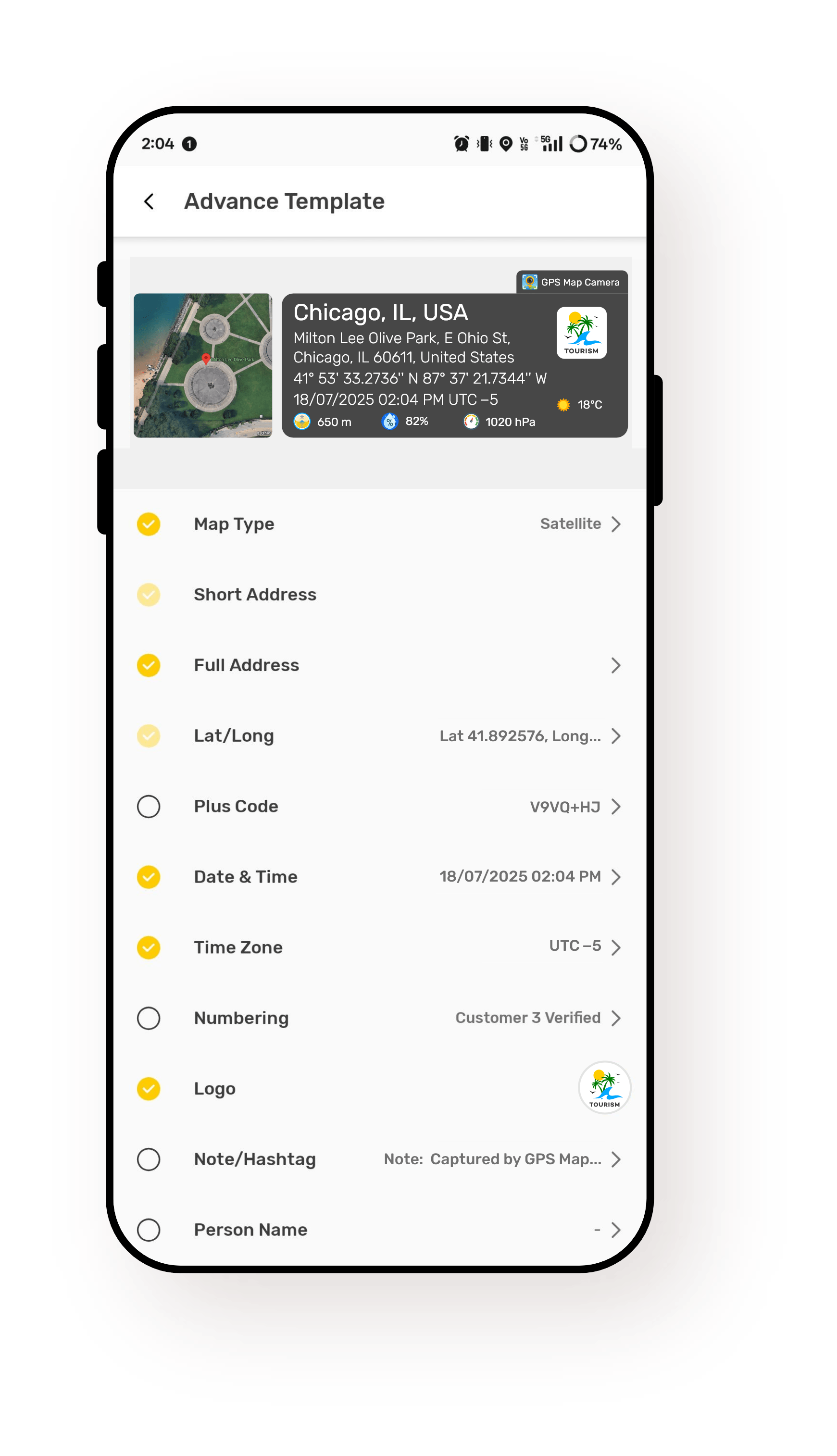

GPS Map Camera gives you full control to create photo documentation that’s authentic, accurate, and impossible to fake. Whether you’re on a site, in the field, or documenting memories, every image becomes verifiable proof
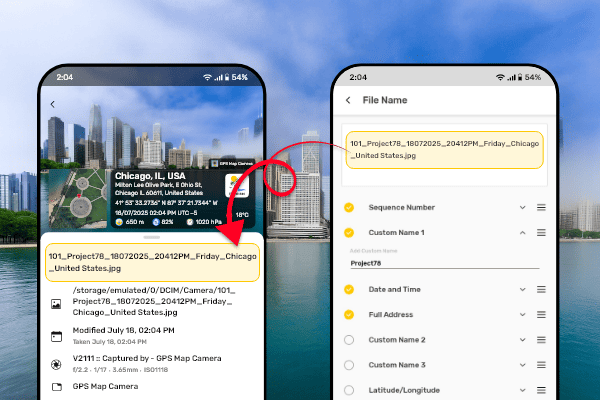
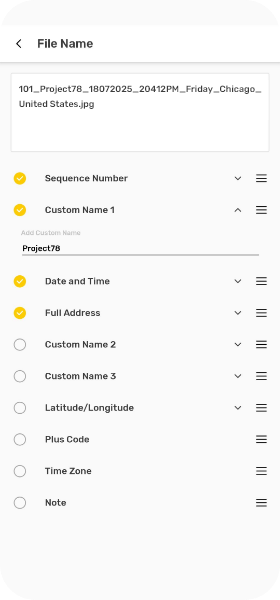
Explore All FeaturesGPS Map Camera automatically names your photos using the location, date, and time from the stamp — no manual work needed. Perfect for professionals who need clean, organized files ready for reports, sharing, or recordkeeping.
No manual renaming
Clean and easy-to-search images
Consistent formatting for reporting or sharing

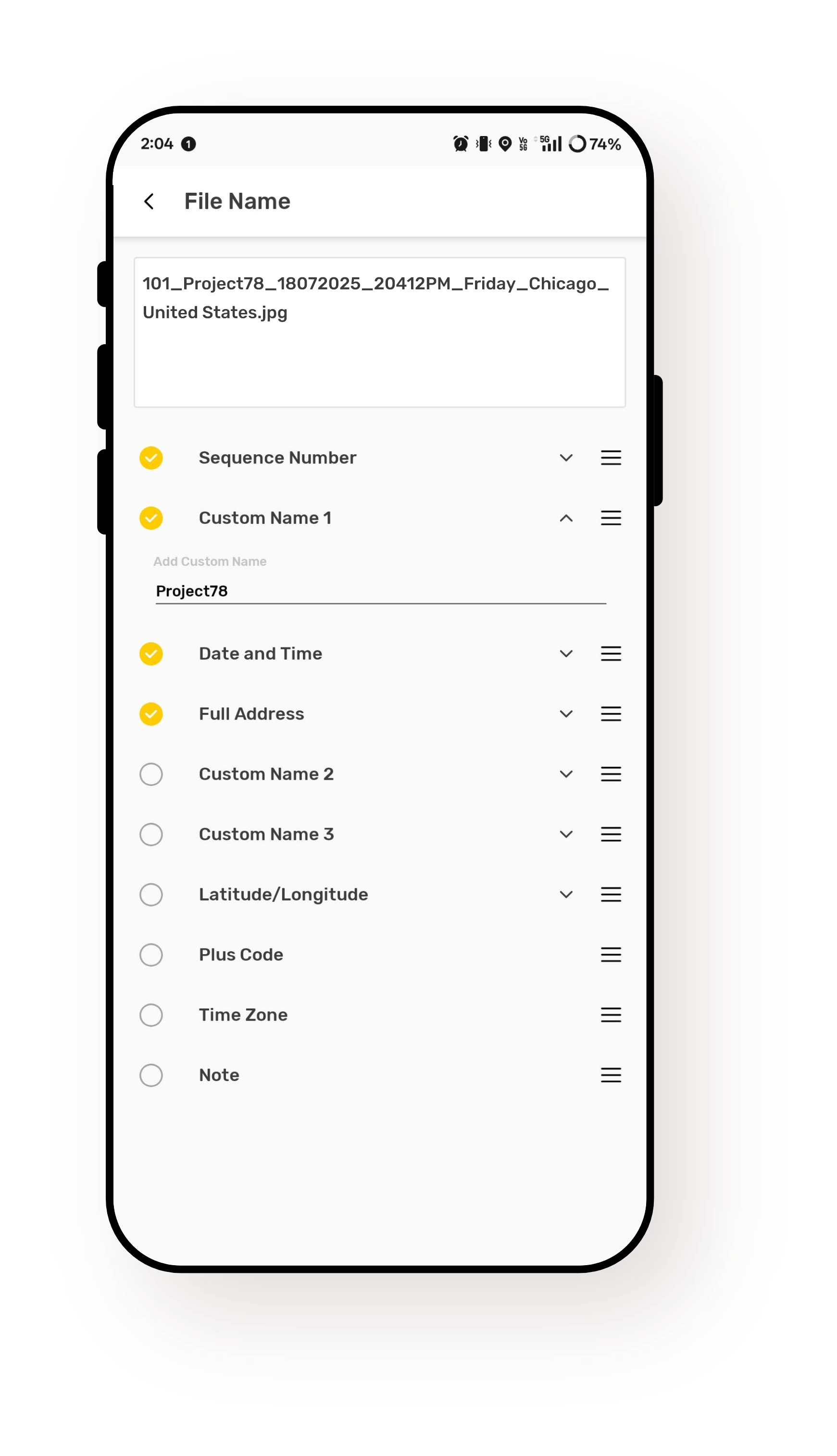

See how GPS Map Camera’s powerful interface makes your images more than just pictures—each one is an authentic, accurate snapshot with automatic stamps.


We believe in transparency. Here are answers to the questions our users ask most.
Explore how people across industries use our app to get accurate, authentic photo documentation.
Super helpful for logging my location and time while working off-site. Plus the file naming is a lifesaver!

I love how my photos show exactly where and when they were taken. It makes my posts more real — and my memories more organized.

Clients trust me more when I send geo-stamped images. It’s added professionalism to my entire work process.

Exactly what I needed! Now every project photo I take includes GPS, time, and location. It’s become a daily part of my workflow.

In the Vendrell dub, characters don’t just say they are in pain; they roar with distinct, memorized phrases like “¡¿Pero qué es lo que está pasando?!” (What is happening?!) or “¡Eso no es nada!” (That’s nothing!). These lines became memes and catchphrases because they felt alive . The scriptwriters understood that Latin American Spanish is rhythmic and dramatic; they wrote for the ear, not the dictionary. Releasing all 291 episodes of Dragon Ball Z (from the Saiyan Saga’s arrival of Raditz to the end of the Kid Buu fight) was a logistical miracle. During the 1990s and early 2000s, anime distribution in Latin America was fragmented. Vendrell En Español acted as both a distributor and a quality gatekeeper. Unlike some regional releases that suffered from missing episodes, audio drift, or recasting midway, Vendrell’s complete box set (and subsequent TV broadcast masters) maintained a uniform audio mix.
For millions, the Vendrell Latino dub is Dragon Ball Z . It remains the gold standard against which all future anime dubs in Spanish are measured, and its 291 episodes continue to echo through every Super Saiyan transformation heard on YouTube, every meme, and every father teaching his child to scream “¡Onda Vital!” with their whole chest. Dragon Ball Z Ep 1-291 Latino release vendrell
The Vendrell dub also democratized anime. Because the language was neutral yet passionate (avoiding excessive Mexican slang or European vosotros forms), it was understood from the Rio Grande to Patagonia. It became the lingua franca of Latino otaku culture. The Vendrell release of Dragon Ball Z Episodes 1–291 is not without minor flaws—some early episodes have slight audio compression, and a few secondary characters’ voices changed between sagas. However, these are negligible compared to the monumental achievement. This dub proved that localization is an art form, not a compromise. It took a Japanese story about aliens screaming and punching each other and transformed it into a heartfelt epic about sacrifice, fatherhood, and redemption—all in a voice that felt like home. In the Vendrell dub, characters don’t just say
Vendrell’s production understood a critical truth: a voice actor must live with the character for 291 episodes. The consistency of this cast—rarely changing over the decade-long production—allowed for organic character development. When Vegeta’s voice cracks during his final atonement against Majin Buu, or when Goku says goodbye to Gohan after Cell’s explosion, the audience feels decades of accumulated history. Vendrell’s script adaptation is often misunderstood by purists. It is not a literal translation of the Japanese dialogue, nor is it a censored American rewrite. Instead, it is a functional adaptation that prioritizes lip-sync, emotional timing, and colloquial naturalness. The most famous example is the decision to keep the name Piccolo instead of the original Piccolo Daimaō’s son , but the deeper genius lies in the gritos —the battle screams. Releasing all 291 episodes of Dragon Ball Z
In the vast universe of anime localization, few phenomena rival the cultural impact of the Latin American Spanish dub of Dragon Ball Z . While the original Japanese version and the English Funimation dub have their respective merits, the Latino version—specifically the 291-episode complete run distributed by Vendrell En Español —holds a sacred, untouchable status. More than a mere translation, this release represents a masterclass in cultural adaptation, vocal consistency, and raw emotional resonance that defined the childhood of millions across Central and South America. The Architects of Sound: The Cast of “Los Del Espacio” The core strength of the Vendrell release lies not just in the translation, but in the casting. Mario Castañeda’s Goku is not merely a heroic figure; his voice embodies a childlike purity fused with otherworldly power. Unlike the hyper-masculine grunts of other dubs, Castañeda’s Goku carries a warmth that makes his Super Saiyan rage terrifying by contrast. Similarly, Laura Torres as Gohan perfectly transitions from innocent crying infant to determined young warrior, and René García’s Vegeta captures the prince’s prideful arrogance without becoming a caricature.