Formazione avanzata per gestire e valorizzare produzioni cinematografiche,
televisive e audiovisive, coniugando creatività e competenze manageriali
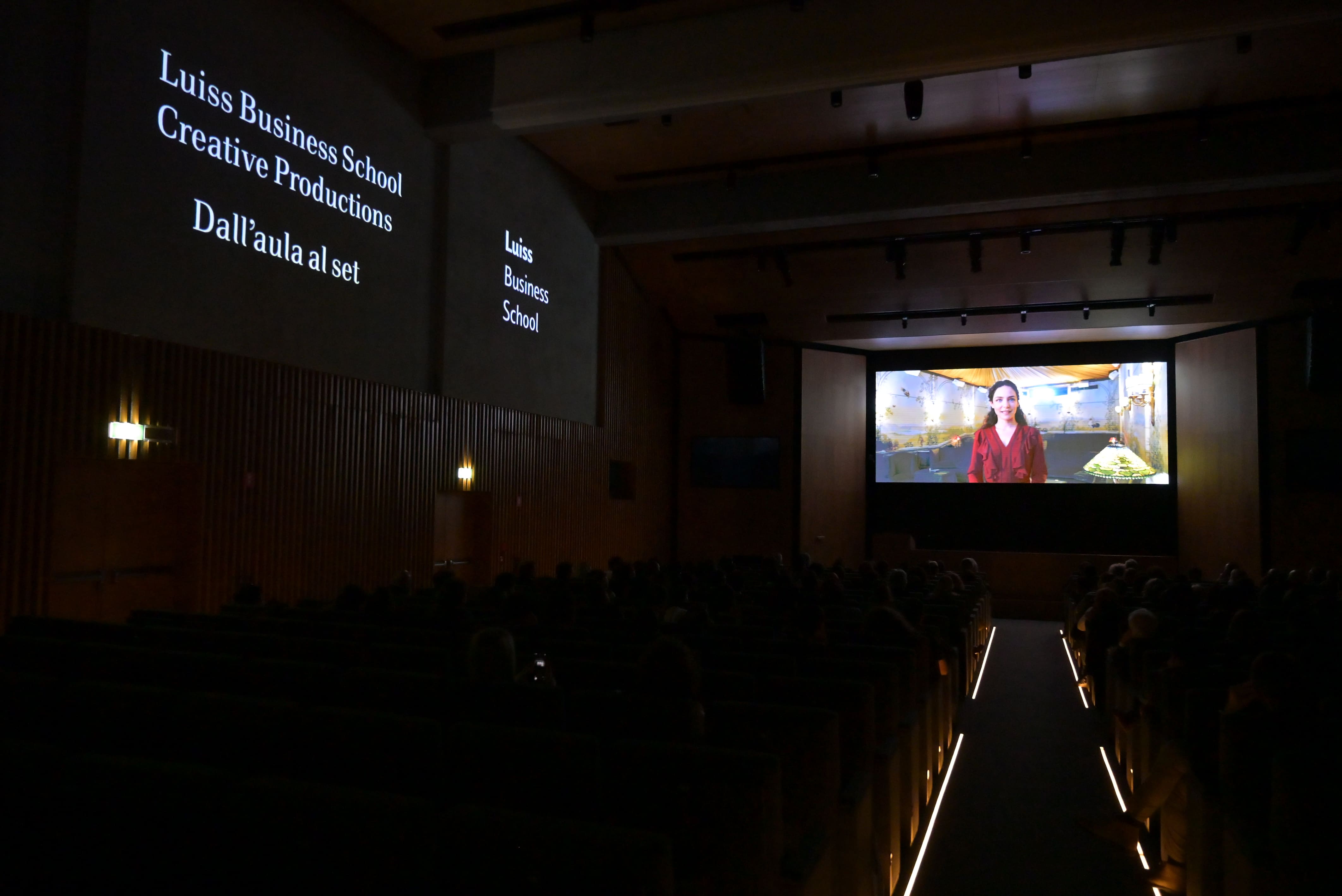
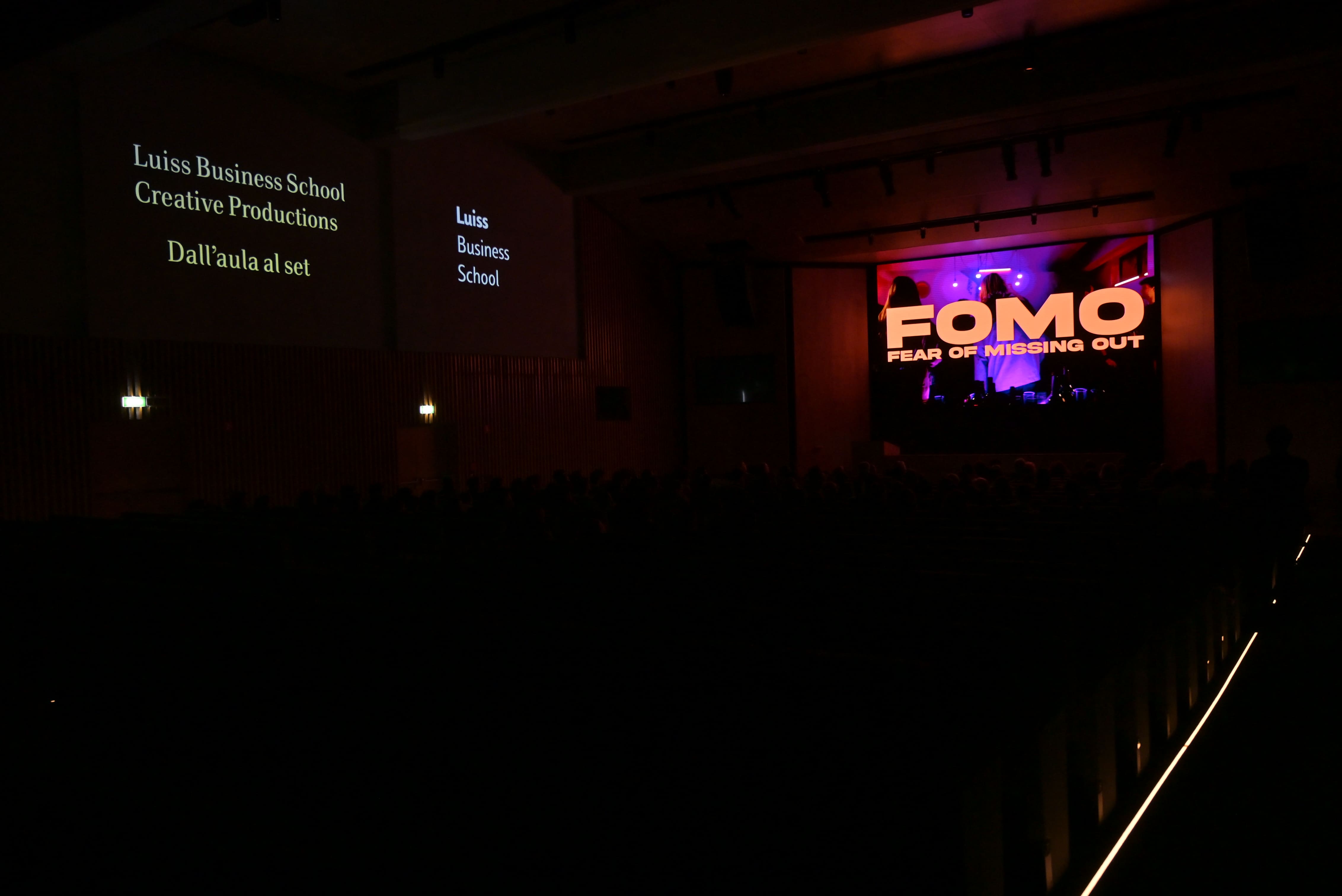
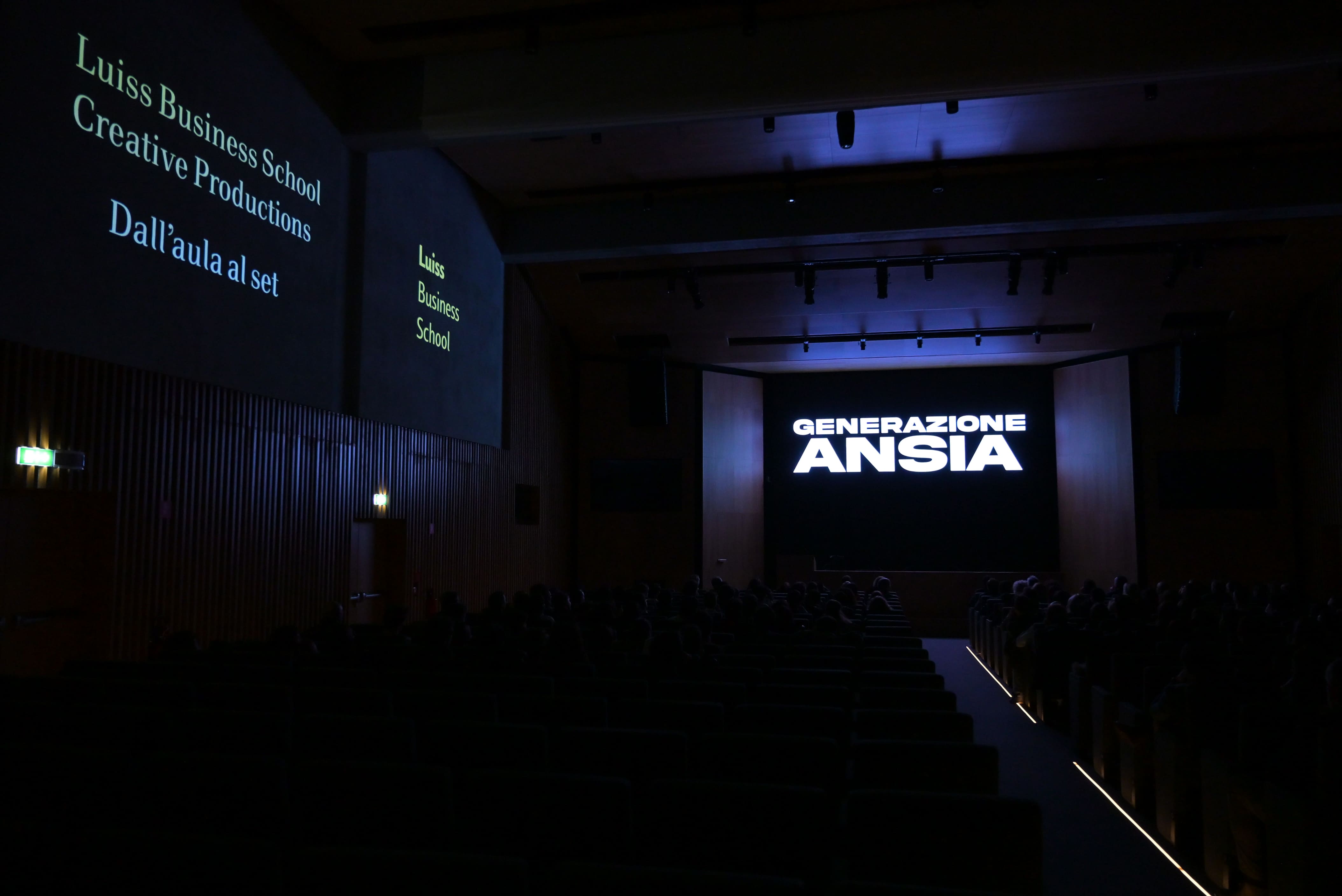
Al termine del Master, gli studenti presentano i propri concept per il pilot di una serie TV. Il progetto selezionato viene poi realizzato dagli allievi, in tutte le fasi editoriali, produttive e di post-produzione, con la supervisione di professionisti del settore e con il supporto
di una giuria di esperti che guida e valorizza lo sviluppo creativo.
Con un placement rate del 100%, una faculty di caratura internazionale e la solidità di un network di partnership aziendali, la formazione full-time Luiss Business School ha l’obiettivo di trasmettere competenze avanzate e immediatamente applicabili, agevolando l’upskilling e accelerando la crescita professionale e personale di giovani professionisti e neolaureati.
Scrivici per prenotare una sessione di orientamento
e scopri il percorso più adatto alle tue ambizioni!
© Luiss Business School Spa “a socio unico” n. iscr. Registro Imprese Roma / p.iva /c.f. 16656061005, capitale sociale i.v. 30.000.000,00 euro.
Villa Blanc, Via Nomentana, 216 - 00162 Roma | Tel. +39 06 85 22 51 | Email: luissbs@luissbusinessschool.it | Informativa sul trattamento dei dati di navigazione | Cookie policy
A good manual does not merely list laws (Law 9.605/98, the National Environmental Policy Act, the Forest Code). Instead, it translates the language of ecology into the language of obligation. It takes the scientific fact that a mangrove filters toxins and turns it into the legal principle of permanent preservation . It takes the moral intuition that future generations have a right to clean air and codifies it as the principle of intergenerational equity .
To study it is to accept that law, like nature, is a living organism. And to master it is to learn the grammar of a new century: the grammar of responsibility. manual de direito ambiental
However, the manual is also a confession of inadequacy. By the time it is printed, a new invasive species has arrived, a new dam has been licensed, or a new regulatory norm has been revoked. Environmental law is a moving target; it chases a disaster that has often already occurred. Therefore, the best manuals are not those that pretend to be exhaustive tombs, but those that teach methodology : how to interpret the precautionary principle, how to balance economic development with ecological integrity, and how to hold a polluter accountable via strict liability. A good manual does not merely list laws (Law 9
Flipping through its pages, the reader moves between scales: from the microscopic (chemical limits for effluent discharge) to the sublime (the legal status of the Amazon Rainforest as a national patrimony). It teaches the student that environmental law is not a niche—like tax or labor law—but a transversal dimension. It is the lens that forces civil law to reconsider property rights (the social and ecological function of property) and administrative law to redefine public interest. It takes the moral intuition that future generations
Ultimately, a Manual de Direito Ambiental is an instrument of hope. It argues, against all cynicism, that law can change behavior. That a court order can save a beach from erosion. That a fine can silence a chainsaw. For the student, the judge, the prosecutor, or the activist, the manual is the starting point—the map that shows where we are legally standing, even as the ecological horizon shifts beneath our feet.
At first glance, a Manual de Direito Ambiental might seem like a paradox. How can one bind the wild, fluid, and interconnected logic of Nature into the rigid, anthropocentric articles of legal doctrine? A river does not read statutes; a forest does not respect easements. Yet, it is precisely this tension that makes the manual not just a textbook, but a compass for survival.