Summer Vacation: in Ibusuki, Japan
That summer, Taki-chan returned to her hometown by herself.
7 stories, 55pages, B/W.
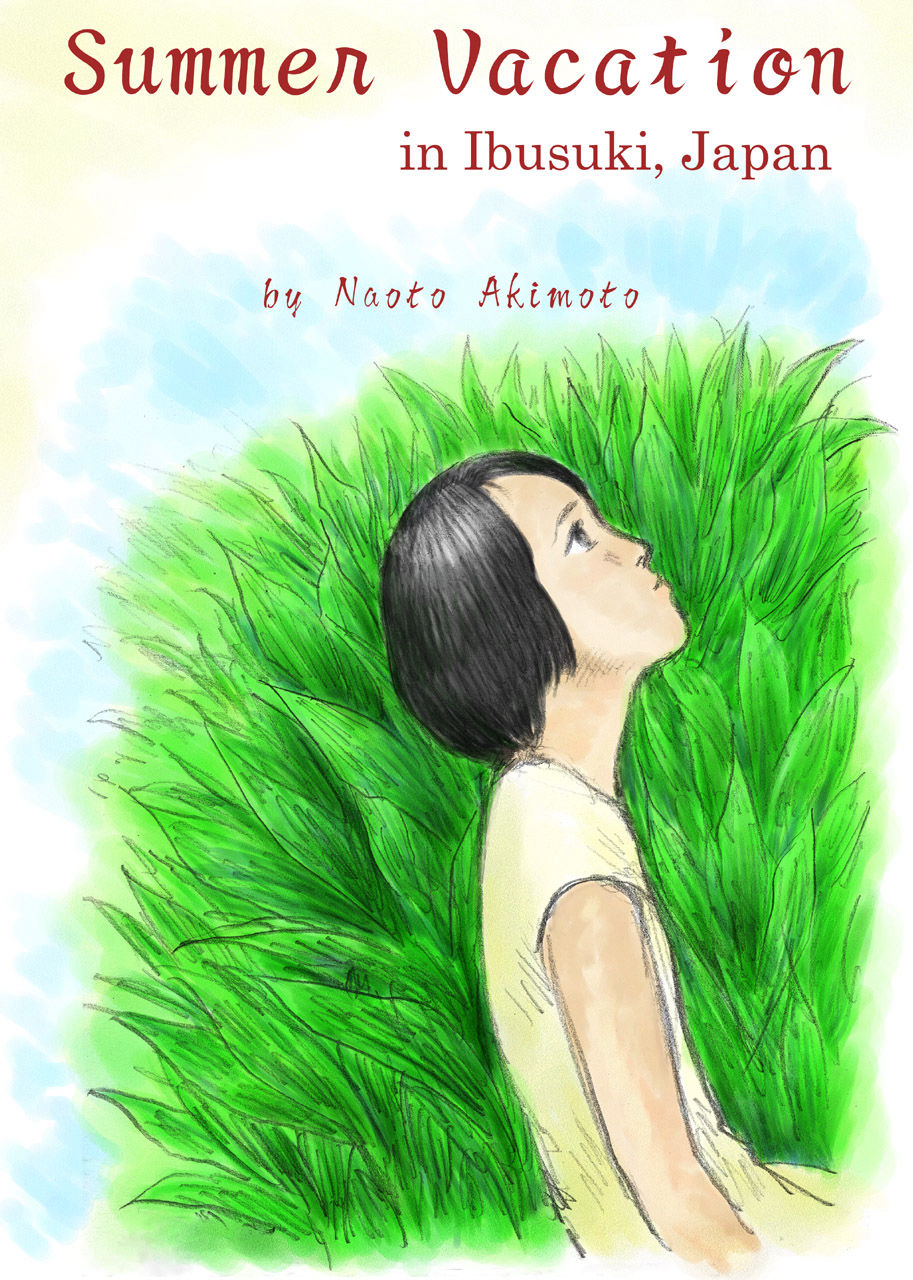
That summer, Taki-chan returned to her hometown by herself.
7 stories, 55pages, B/W.
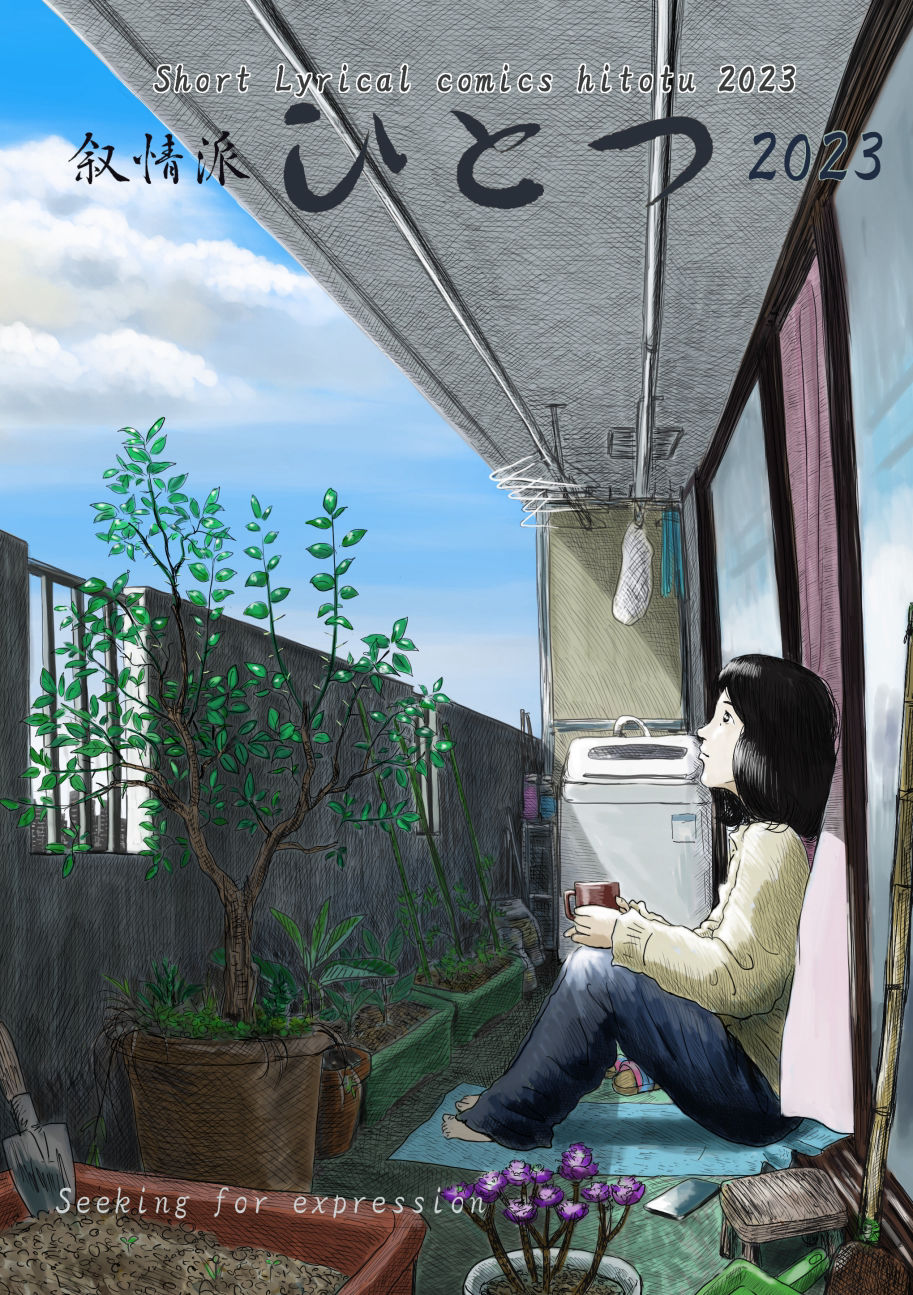
Short lyrical comics hitotu: Haiku Manga : Starting in 1997. Published one book every year. "hitotu" means "one" or "a". Unlike the commercial cartoons that tend to pursue entertainment, this book pursues honest feelings of artists. All comics are chosen from the public.
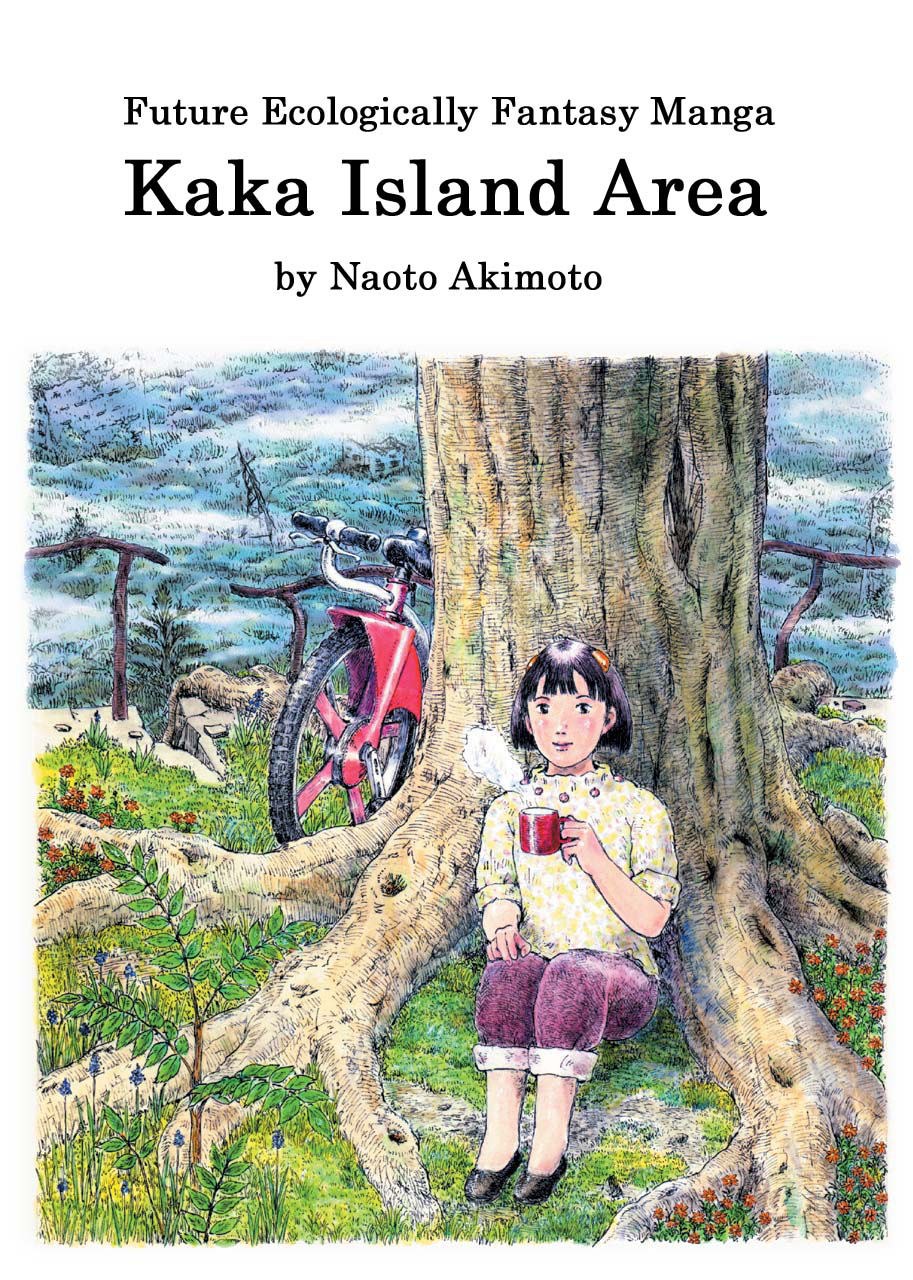
The stage of this story is 400 years from now.
The world in 400 years' time is described as a eco-friendly and comfortable place to live in.
And I do hope so.
In 400 years' time Tosuka10, an artifical intelligence computer, recovers from a lost civilization of the 21th century.
Ruu and Giru meet many remains in the 21st century through Tosuka10, and they reach out to each other and grow.
This book has 170 pages, 7 stories. Black and white.
It's written in 1996-1997, and added one story in 2000.
Washio’s primary contribution lies in her choreography and direction. She has a rare ability to distill emotion into a single pose or a fleeting exchange of glances. Unlike choreographers who prioritize spectacle, Washio focuses on narrative clarity. In acclaimed productions such as adaptations of The Rose of Versailles or original works like Nova Bossa Nova , she uses movement not as decoration but as dialogue. A slight incline of an otokoyaku ’s head or the careful placement of a musumeyaku ’s fan under Washio’s direction conveys longing, conflict, or resolve more powerfully than a page of lyrics. Her work respects the audience’s intelligence, trusting them to read the story in the performers’ bodies.
In the glittering, meticulously crafted world of the Takarazuka Revue, the stars on stage—the glamorous otokoyaku (male role players) and elegant musumeyaku (female role players)—capture the audience’s heart. Yet, behind this dazzling illusion of a “dream world” stands a figure whose name is less known to the public but whose influence is woven into the very fabric of modern Takarazuka: Mei Washio . While not a top star herself, Washio is a pivotal creative force whose work as a director, choreographer, and playwright has quietly shaped the revue’s contemporary identity, proving that the most profound artistry often operates just beyond the spotlight. Mei Washio
To understand Washio’s significance, one must first appreciate the unique demands of Takarazuka. Founded in 1914, the all-female revue is famous for its lavish musicals, synchronized choreography, and the cross-dressing otokoyaku who must embody a masculine ideal without a male template. For decades, the creative direction was heavily influenced by a traditional, often Western-centric aesthetic. Enter Mei Washio, who emerged as a key creative in the late 20th and early 21st centuries, bringing with her a sensibility that was at once deeply respectful of tradition and boldly innovative. Her work is characterized by a sophisticated use of space, a psychological depth in staging, and a particular genius for refining the otokoyaku ’s physical language—making their gestures not just convincing, but poetic. Washio’s primary contribution lies in her choreography and
Why, then, is Mei Washio not a household name like a former top star? The answer lies in the very nature of her craft. The director and choreographer in Takarazuka functions as an anchor—essential for stability but rarely seen above deck. Stars like Yūga Yamato or Hikaru Asami receive the applause, but it is Washio who designed the framework of their triumphs. She is the architect of moments that bring audiences to tears, the sculptor of the male illusion that fans adore. In a theatrical form that prides itself on illusion, Washio is the master illusionist behind the curtain. In acclaimed productions such as adaptations of The
In conclusion, to appreciate the full spectrum of the Takarazuka Revue is to look beyond its radiant stars and recognize the quiet genius of creators like Mei Washio. She represents the essential, often invisible labor that transforms a talented cast into an unforgettable performance. Through her refined choreography, psychologically astute direction, and willingness to innovate within tradition, Washio has not only preserved the magic of Takarazuka but has deepened it. Her legacy is a reminder that in any art form, the brightest light often casts the longest shadow, and in that shadow works the steady hand of a true artist. Mei Washio may not seek the spotlight, but the spotlight, thanks to her, shines more meaningfully than ever.
Let me show you the life in Kaka Island.
English version was reliesed at 03.2022.
This book has 79 pages, 10 stories.
Black and white.
It's written from 2002 to 2007 added in 2022.
This was selected Future Lifestyles Multimedia Contest 2021.
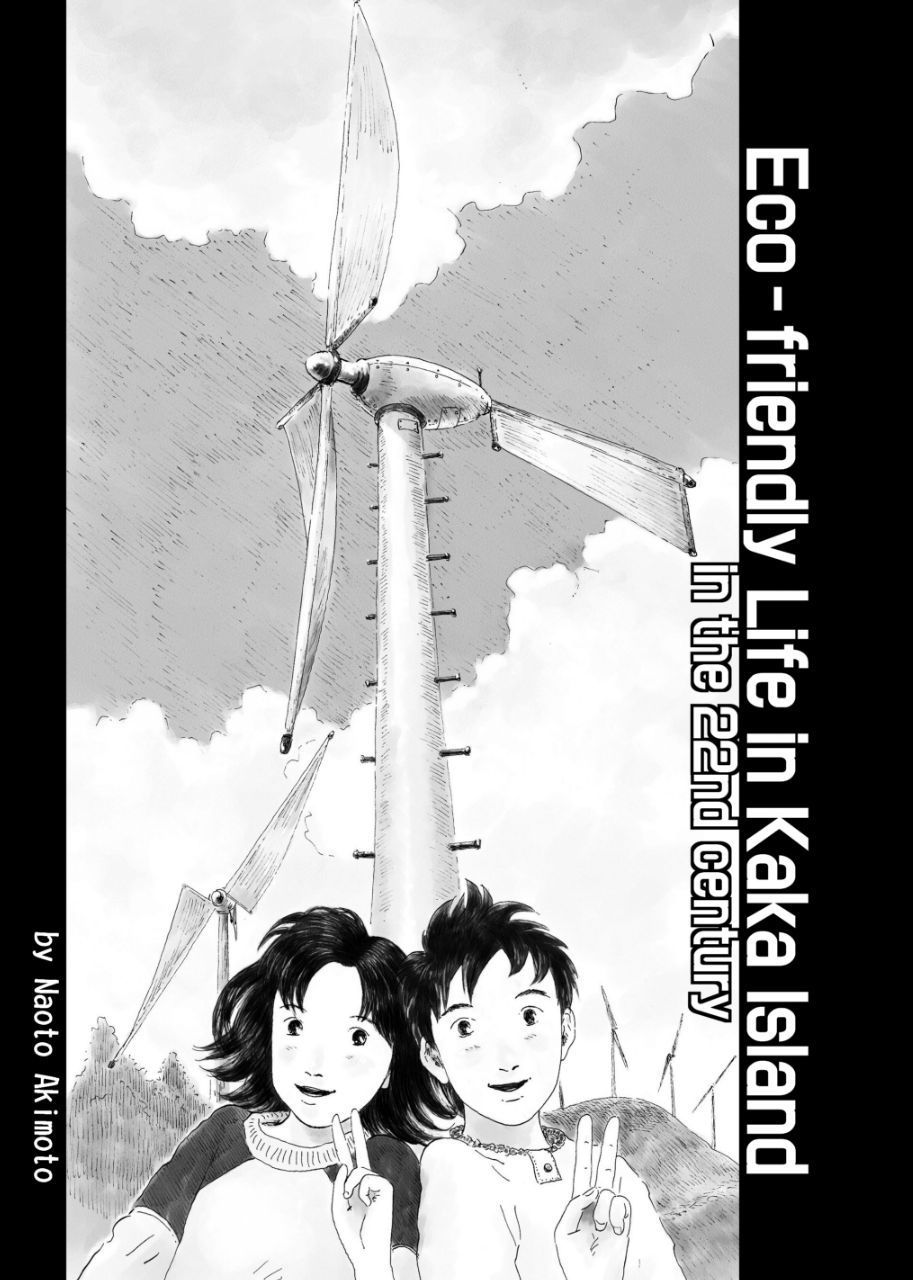
A small self-sufficient area is called "Island district".
The world has consisted of these Island districts which are independent and cooperative.
These are the stories in Kaka Island in the Far East.
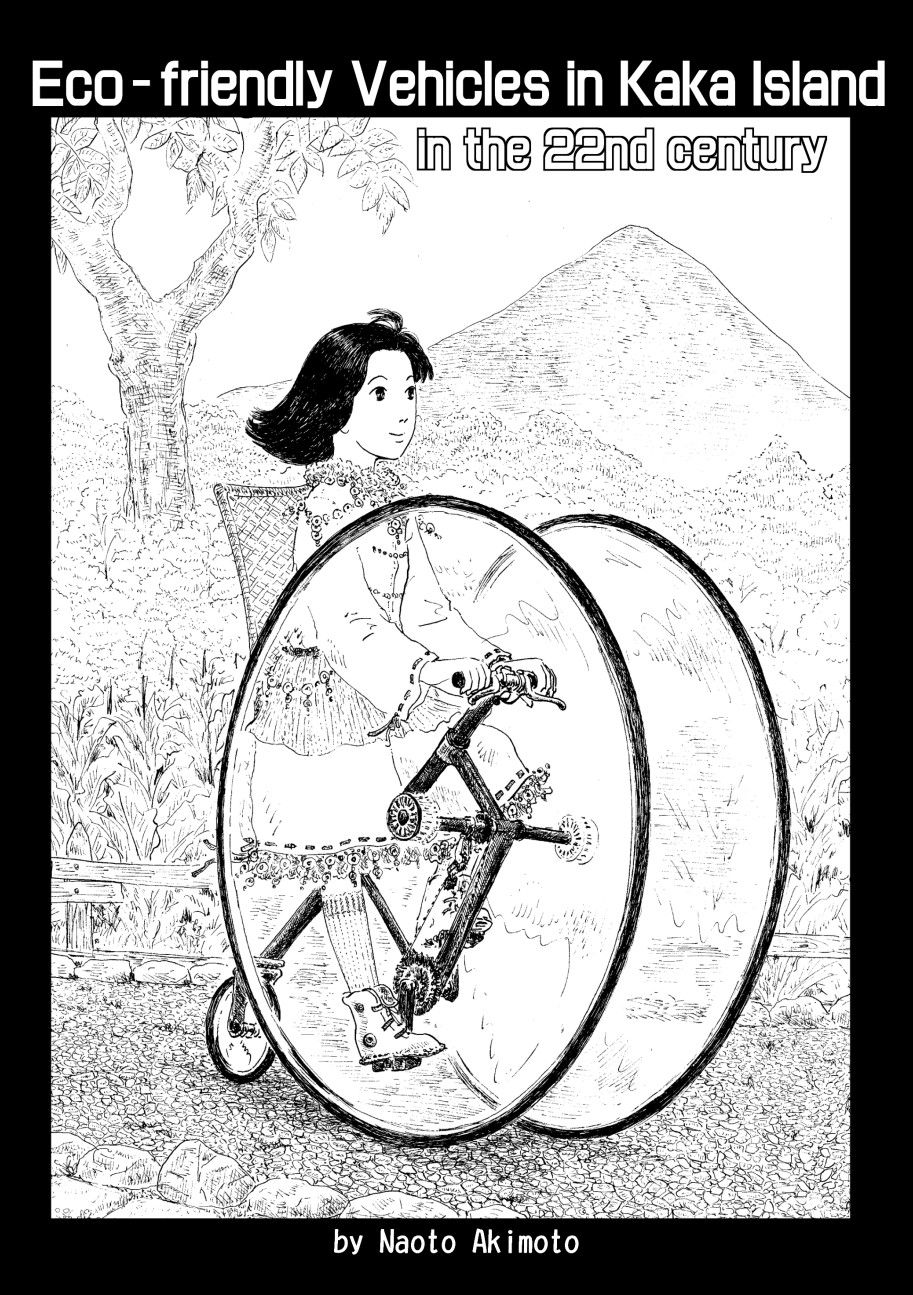
Let me show you some unique vehicles in Kaka Island.
English version was reliesed at 07.2022.
This book has 73 pages, 9 stories.
Black and white.
It's written from 2007 to 2011 added in 2022.
This was selected Future Lifestyles Multimedia Contest 2021.

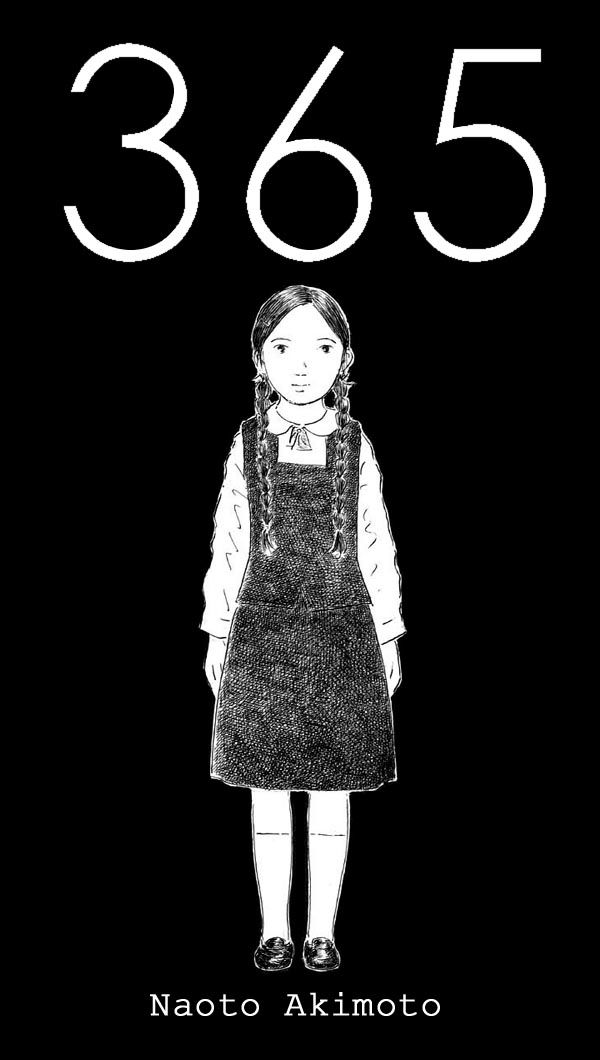
365 pictures, 365 women, 12.2012.- 12.2013, at Osaka Japan. ink, kent paper

Easy Website Builder