Microxp - Micro Xp Pro 0.98 ❲Edge DIRECT❳
Ultimately, MicroXP Pro 0.98 stands as a monument to a specific era of computing—one defined by limits. It reminds us that an operating system is not a monolithic necessity but a flexible toolkit, one that can be cut, reshaped, and optimized to the bone. While no one should run it as a daily driver today, its legacy lives on in every lightweight Linux distro, every containerized microservice, and every developer who looks at a bloated software stack and asks, "But what if we removed everything unnecessary?" MicroXP was, in essence, the purest expression of that question turned into code.
In the annals of operating system history, few releases have sparked as much niche fascination as Windows XP. Launched in 2001, it became the bedrock of personal computing for over a decade. Yet, as hardware advanced and Microsoft moved to heavier systems like Windows Vista and 7, a quiet rebellion emerged from the underground enthusiast scene. At the heart of this movement was a peculiar artifact: MicroXP Pro 0.98 . More than just software, MicroXP represented a philosophical and technical challenge to the prevailing notion that newer software demands bigger hardware.
In retrospect, MicroXP Pro 0.98 is a cultural and technical fossil, a brilliant hack that solved a problem that has since largely evaporated. Modern hardware is so abundant in resources that even a full Windows 11 installation feels lightweight compared to the constraints of the early 2000s. Furthermore, Microsoft has officially ended all support for Windows XP, making any unpatched version—no matter how trimmed—a severe liability. Yet, within the retro-computing community, MicroXP remains a beloved tool. It is a testament to the ingenuity of power users who refused to accept that progress must equal waste.
The use case for MicroXP Pro 0.98 was as specific as its design. In the late 2000s and early 2010s, netbooks with underpowered Intel Atom processors and 1GB of RAM struggled with Windows Vista’s bloat. MicroXP offered these devices a second life, transforming them into responsive, portable word processors or retro-gaming machines. Similarly, for enthusiasts running virtual machines on modern hosts, MicroXP became the gold standard for testing malware, running old accounting software, or playing DOS-era games without dedicating gigabytes of storage or RAM. It was the operating system equivalent of a minimalist camper van—sparse, unadorned, but perfectly functional for a specific journey.
Microxp - Micro Xp Pro 0.98 ❲Edge DIRECT❳
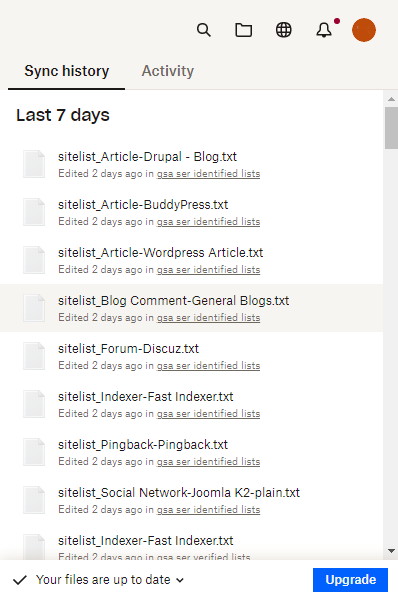
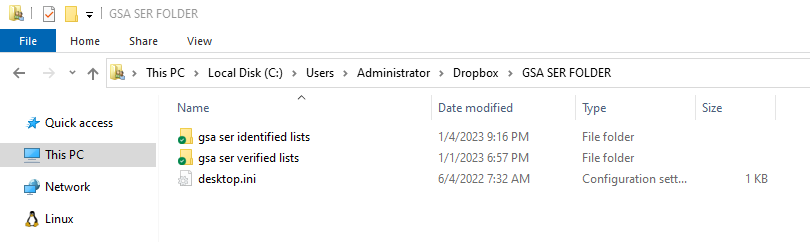
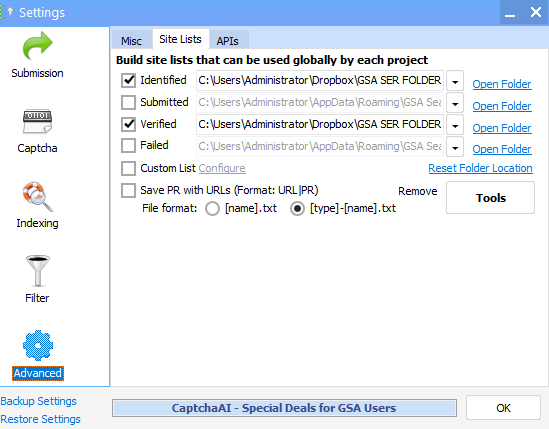
What exactly is GSA SER Verified List? And What is the best way to rank on It?
GSA Search Engine Ranker (SER) is an effective tool utilized by SEO professionals to create high-quality
link opportunity for their websites.
With GSA SER, marketers are able to quickly develop an inventory of verified hyperlinks that are
specifically tailored to the specific requirements of their clients. This allows them to concentrate on
those that are relevant and achieve the most effective outcomes.
Benefits of Using a GSA SER Verified List
The use of the GSA verified list for SER enables marketers to quickly and effortlessly identify top-quality
link building opportunities that can improve their rankings on search engine result page (SERPs).
MicroXP - Micro XP Pro 0.98
It is constantly updated continuously to ensure that marketers can be assured that they are receiving the
most recent information available. Furthermore, many of the websites listed on the list are from sites that
are low-OBL Tier 1 This means they are more likely to attract high traffic and aid your blog or website to
climb up the ranks.
How Do You Improve Your Ranking by using the help of a GSA Verified Lists of SERs?
Once you've found opportunities to build links from the GSA SER verified list, it's crucial to concentrate
on creating content of high quality that is engaging for users and ultimately get them clicking on your site
or blog.
Ultimately, MicroXP Pro 0
Making informative, useful and relevant content can help you get higher rankings on the results pages of
search engines by demonstrating to Google that your website is an authority in the topic. It is also
important to ensure that all links link back to your site or blog, since this will provide Google the
impression of trustworthiness and relevancy when it comes to ranking.
What Are Some Best Practices When Using a GSA SER Verified List?
If you are using a GSA SER verified list, bear in your mind that when you are looking at link opportunities
for building quality must always take priority over the quantity. In addition, focusing on generating
articles that are valuable to users rather than trying to build the most links possible will ensure higher
rankings in the long run.
In the annals of operating system history, few
Not last, you should be careful not to overuse keywords overly often to prevent your website from being
considered low-quality or spam and causing your rankings to drop instead of increasing.
Conclusion: SER Verified List
Utilizing the GSA SER list will offer SEO professionals with top-quality link
building options specifically to their requirements that can result in better rankings for their site or
blog over time, if followed correctly, following best practices, such by focusing on the creation of
high-quality content, not quantity, as well as avoiding keyword stuffing and so on.
In the end making use of this tool in the right way will allow you to achieve higher results in search
engine optimization more quickly than ever before!
Order Now
Ultimately, MicroXP Pro 0.98 stands as a monument to a specific era of computing—one defined by limits. It reminds us that an operating system is not a monolithic necessity but a flexible toolkit, one that can be cut, reshaped, and optimized to the bone. While no one should run it as a daily driver today, its legacy lives on in every lightweight Linux distro, every containerized microservice, and every developer who looks at a bloated software stack and asks, "But what if we removed everything unnecessary?" MicroXP was, in essence, the purest expression of that question turned into code.
In the annals of operating system history, few releases have sparked as much niche fascination as Windows XP. Launched in 2001, it became the bedrock of personal computing for over a decade. Yet, as hardware advanced and Microsoft moved to heavier systems like Windows Vista and 7, a quiet rebellion emerged from the underground enthusiast scene. At the heart of this movement was a peculiar artifact: MicroXP Pro 0.98 . More than just software, MicroXP represented a philosophical and technical challenge to the prevailing notion that newer software demands bigger hardware.
In retrospect, MicroXP Pro 0.98 is a cultural and technical fossil, a brilliant hack that solved a problem that has since largely evaporated. Modern hardware is so abundant in resources that even a full Windows 11 installation feels lightweight compared to the constraints of the early 2000s. Furthermore, Microsoft has officially ended all support for Windows XP, making any unpatched version—no matter how trimmed—a severe liability. Yet, within the retro-computing community, MicroXP remains a beloved tool. It is a testament to the ingenuity of power users who refused to accept that progress must equal waste.
The use case for MicroXP Pro 0.98 was as specific as its design. In the late 2000s and early 2010s, netbooks with underpowered Intel Atom processors and 1GB of RAM struggled with Windows Vista’s bloat. MicroXP offered these devices a second life, transforming them into responsive, portable word processors or retro-gaming machines. Similarly, for enthusiasts running virtual machines on modern hosts, MicroXP became the gold standard for testing malware, running old accounting software, or playing DOS-era games without dedicating gigabytes of storage or RAM. It was the operating system equivalent of a minimalist camper van—sparse, unadorned, but perfectly functional for a specific journey.