epanet-js

Mifare Classic Tool 2.3.1 May 2026

No installs. No forced cloud storage. Just fast, local-first water modeling — powered by the engine you already trust.

The EPANET user's dilemma

  • Classic EPANET is powerful — but clunky and outdated. Workarounds become your workflow — slow and cumbersome.
  • Big-name platforms look polished, but they're overpriced and bloated with features you don't need to analyze your network quickly.
  • Modern browser-based tools exist — but they force your data into the cloud, raising privacy and compliance concerns. Plus, they offer little for those doing long-term planning and analysis.

You shouldn't have to choose between speed, security, and affordability just to understand your water networks.

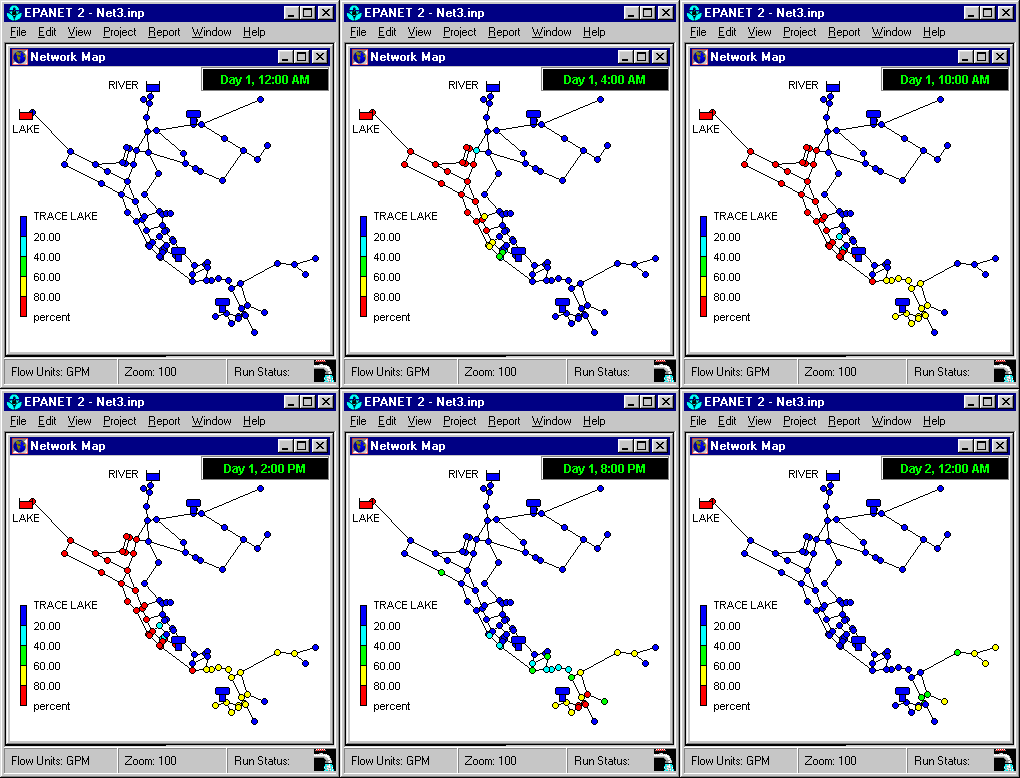
Old EPANET UI
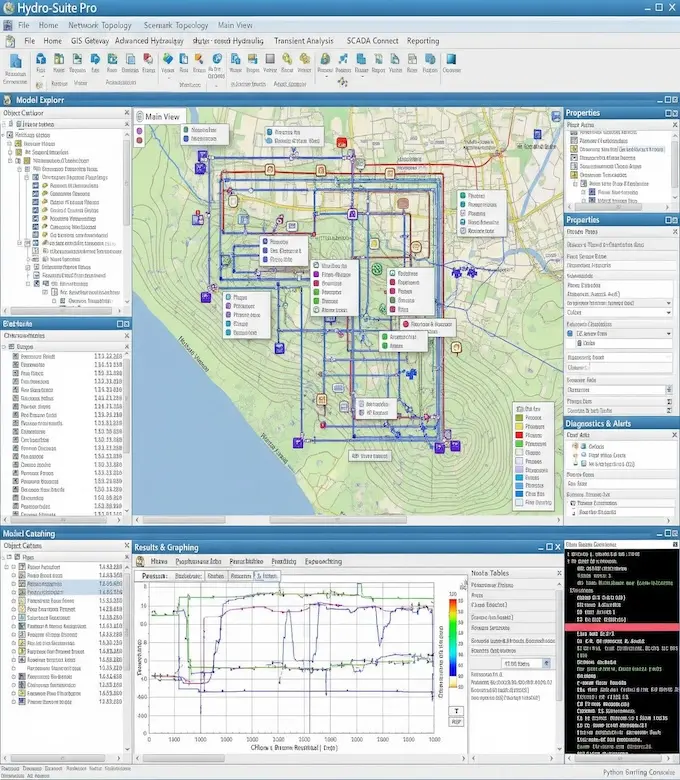
Complex Modeling App

Mifare Classic Tool 2.3.1 May 2026

MIFARE Classic Tool 2.3.1 bridges the gap between theoretical vulnerabilities and real-world testing. Unlike professional hardware like the Proxmark3, MCT runs on commodity Android devices equipped with NFC hardware (e.g., NXP PN532, Broadcom BCM2079x).

Author: Security Research Lab (Hypothetical) Date: April 2026 Version: 1.0 Abstract MIFARE Classic Tool (MCT) is a widely used Android application for reading, writing, and analyzing MIFARE Classic RFID tags. Version 2.3.1 represents a mature release with significant improvements in key recovery algorithms and user interface stability. This paper provides a comprehensive technical review of MCT 2.3.1, including its architecture, cryptographic attack implementations (nested authentication and hardnested attacks), practical usage workflows, forensic capabilities, and limitations. The paper also discusses ethical considerations and defensive countermeasures. This resource is intended for security researchers, pentesters, and system administrators responsible for physical access control systems. 1. Introduction MIFARE Classic chips (e.g., 1K, 4K) are embedded in millions of access cards, public transport tickets, and loyalty cards worldwide. Their proprietary CRYPTO1 cipher has been publicly broken since 2008. However, practical exploitation requires accessible tools. mifare classic tool 2.3.1

| Attack Vector | Mitigation | |---------------|-------------| | Default keys | Rotate all keys (16 bytes per sector) using a PRNG + per-site diversifier | | Nested attack | Ensure no two sectors share a key; use MIFARE Plus or DESFire | | Hardnested attack | Upgrade to MIFARE Plus (security level 2) or move to AES-based cards | | Cloning | Enable UID binding in application logic (store card serial inside encrypted data) | | Feature | MCT 2.3.1 | Proxmark3 Easy | |---------|-----------|----------------| | Cost | Free (app) | ~$80 hardware | | Portability | High (phone) | Moderate | | Sniffing | No | Yes (between reader & tag) | | Hardnested speed | 1-5 min/key | 10-30 sec/key | | Learning curve | Low | Steep | | Legal risk | Higher (app store availability) | Lower (obscure hardware) | 9. Conclusion MIFARE Classic Tool 2.3.1 is a highly capable, accessible tool for assessing the security of legacy MIFARE Classic systems. Its hardnested attack improvement and stable key management make it the preferred choice for entry-to-intermediate level RFID security testing. However, practitioners must remain aware of its technical limitations (no sniffing, chipset dependency) and legal boundaries. Organizations still relying on MIFARE Classic for high-security applications should treat any card readable by MCT 2.3.1 as effectively compromised and plan migration to MIFARE Plus or DESFire. Appendix A: Sample Hardnested Command (internal log) Hardnested attack on sector 2 Key type: A Progress: |████████████████| 100% Key found: A0B1C2D3E4F5 Authentications used: 186 Time taken: 94.3 seconds Appendix B: Ethical Use Statement This tool is for authorized security assessments only. Unauthorized reading or cloning of access cards may violate computer fraud and abuse laws, as well as physical trespass statutes. The author of this paper assumes no liability for misuse. Paper version 1.0 — For educational and defensive use. MIFARE Classic Tool 2

Model water networks instantly.

No setup or downloads — just instant access right in your browser.

Start modeling now

EPANET deserves better — and so do you.

EPANET was a gift to the industry — free, open-source water modeling for all. But commercial vendors built on it, locked away improvements, and left the community behind.

epanet-js is our answer: a faster, simpler, affordable water modeling tool that protects your privacy and sustains the open-source future of water modeling.

We're proud to be part of the next chapter — and we're just getting started.

EPA logo
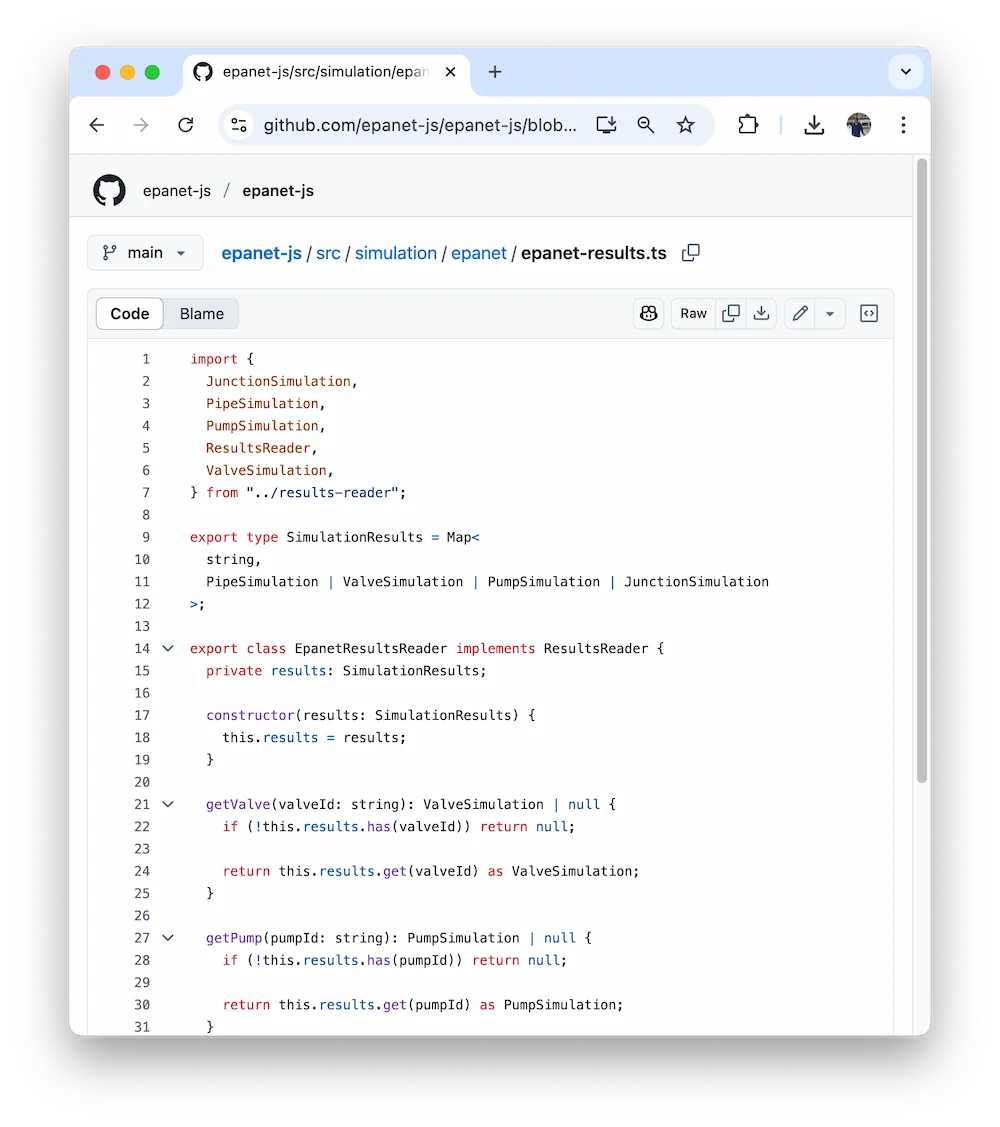
Source code of epanet-js on GitHub

When you support epanet-js, you support EPANET.

When you purchase more features in epanet-js, you're investing in the future of open-source EPANET development.

Our open-source model balances innovation and accessibility:

Anyone can build on our code. The two-year commercial-use delay gives us the incentive to keep pushing forward — and that fuels progress for everyone.

That means when you support us, you support more affordable hydraulic modeling software for the entire community.

Simple, transparent pricing for every kind of modeler.

Choose the plan that works for you

Free

For everyone.$0 /year

  • Web based EPANET model
  • Background maps and satellite
  • Automated Elevations
  • No limits on sizes
  • Community Support

ProMost popular

For solo modelers and small utilities.$950 /year

Individual named license

Everything in free, and:
  • Scenarios
  • Professional support
  • Custom layers
Coming soon:
  • Cloud storage
  • Point in time restore - 30 days
  • Demand Analysis

Teams

For teams that build together.$2500 /year

Floating shared license

Everything in Pro, and:
  • Priority support
  • Volume discounts
  • Pay by invoice
Coming soon:
  • Team storage
  • Point in time restore - 90 days
  • Sharing of networks

Have questions? or book a call.

Special access for personal and educational use

Available for non-commercial projects, learning, and student work.

Personal

$100/year

For curious minds and personal growth.

Everything in pro, but:
  • Community support only
  • Non-commercial usage

Education

$0/year

Free for students and teachers.

Everything in pro, but:
  • Community support only
  • Non-commercial usage

Frequently asked questions

Find answers to common questions about epanet-js.

Just open your browser and model.

No install. No login. No cloud required.

Launch epanet-js now

You may not know this, but for decades, the U.S. EPA has given the water industry an extraordinary gift: the free and open-source hydraulic modeling software EPANET. Odds are, if you've used any commercial hydraulic modeling software today, it was built on the EPANET engine.

The problem is, instead of giving back to their open-source roots like other industries do, big-name software vendors took EPANET's open code, built private tools on top of the engine, and then locked those improvements behind patents and proprietary licenses.

Some vendors even pressured the EPA to focus only on the engine — discouraging any effort to improve the interface or user experience for everyone else.

Those vendors now charge you exorbitant prices to use their software while EPANET lags behind — and utilities, engineers, and educators with smaller budgets suffer.

We think this is backwards — and we're on a mission to change it. We're focused on creating a better experience for the entire hydraulic modeling community.

That's why we built epanet-js under an FSL license — because we want to give you an affordable, easy-to-use water modeling option that creates a sustainable future for open-source EPANET development.

Support EPANET by using software that supports it back.
A better future for water modeling.

Simple, quick, and useful right out of the gate — designed to open-and-go.

Launch epanet-js now